
Accelerated Resolution Therapy (ART) in Broomfield and Online Across Colorado
Trauma therapy that doesn’t make you wait to feel better
Some moments don't stay in the past.
A song comes on in the grocery store. Someone raises their voice in the next room. A certain date rolls around on the calendar again. And suddenly, you're right back there.
Your chest tightens. Your shoulders creep up toward your ears. You know it's over. You've told yourself a hundred times that it's over. But your body keeps reacting like it's still happening.
Maybe you've talked about it in therapy for years. Maybe you've never said it out loud at all. Either way, you're tired of carrying it.
Here's something that might surprise you. Healing doesn't always take years of talking. And it doesn't require you to share every painful detail.













What Is Accelerated Resolution Therapy?
Accelerated Resolution Therapy (ART) is a type of therapy that helps your brain store painful memories in a new way. You still remember what happened. But the memory stops hitting you with the same force.
ART uses gentle, side-to-side eye movements while you think about a memory and notice what shows up in your body. These eye movements help your nervous system relax, a bit like what happens during REM sleep (the dreaming stage, when your brain sorts through the day).
Then comes the part that makes ART different. You get to change the upsetting images in your mind to new ones you choose. This is called voluntary image replacement. You decide what the new picture looks like. You stay in charge the whole time.
Here's what many people find most relieving: you don't have to tell me what happened. A lot of people put off therapy because they dread explaining it all again. With ART, you can keep the details private and still do the work.
ART was developed in 2008 by Laney Rosenzweig. She built on parts of EMDR and other proven approaches to create a method that moves quickly and keeps the client in control.
Research has followed. In a randomized controlled trial with service members and veterans, people who received ART had much larger drops in symptoms of PTSD, depression, and anxiety than the comparison group. The researchers also found that ART took less time than many standard treatments.

How ART Works and Who It Can Help
ART can help with many kinds of pain that seem to live in the body. I use it with clients who struggle with:
Memories that still feel fresh, even years later
Anxiety, panic, or feeling constantly on edge
Nightmares or trouble sleeping
Grief and loss
Shame or guilt that won't let go
Strong fears and phobias
Childhood experiences that still shape how you feel today
So what does a session look like? First, we talk about what you want to feel different, and we make sure you have ways to feel steady before we start. When you're ready, you'll bring a memory or feeling to mind. You'll follow my hand with your eyes in short sets. Between sets, we'll pause and check in with your body. As the distress fades, you'll replace the old images with new ones that feel better to you.
Many clients notice a real shift within just a few sessions. Not because the past disappears, but because their body finally stops bracing for it. You may be able to think about a memory without your heart racing. You may sleep better. You may feel calmer, more present, and more like yourself again.
I offer ART in person at my office in Broomfield, CO, and through telehealth anywhere in Colorado.

My Experience with Accelerated Resolution Therapy
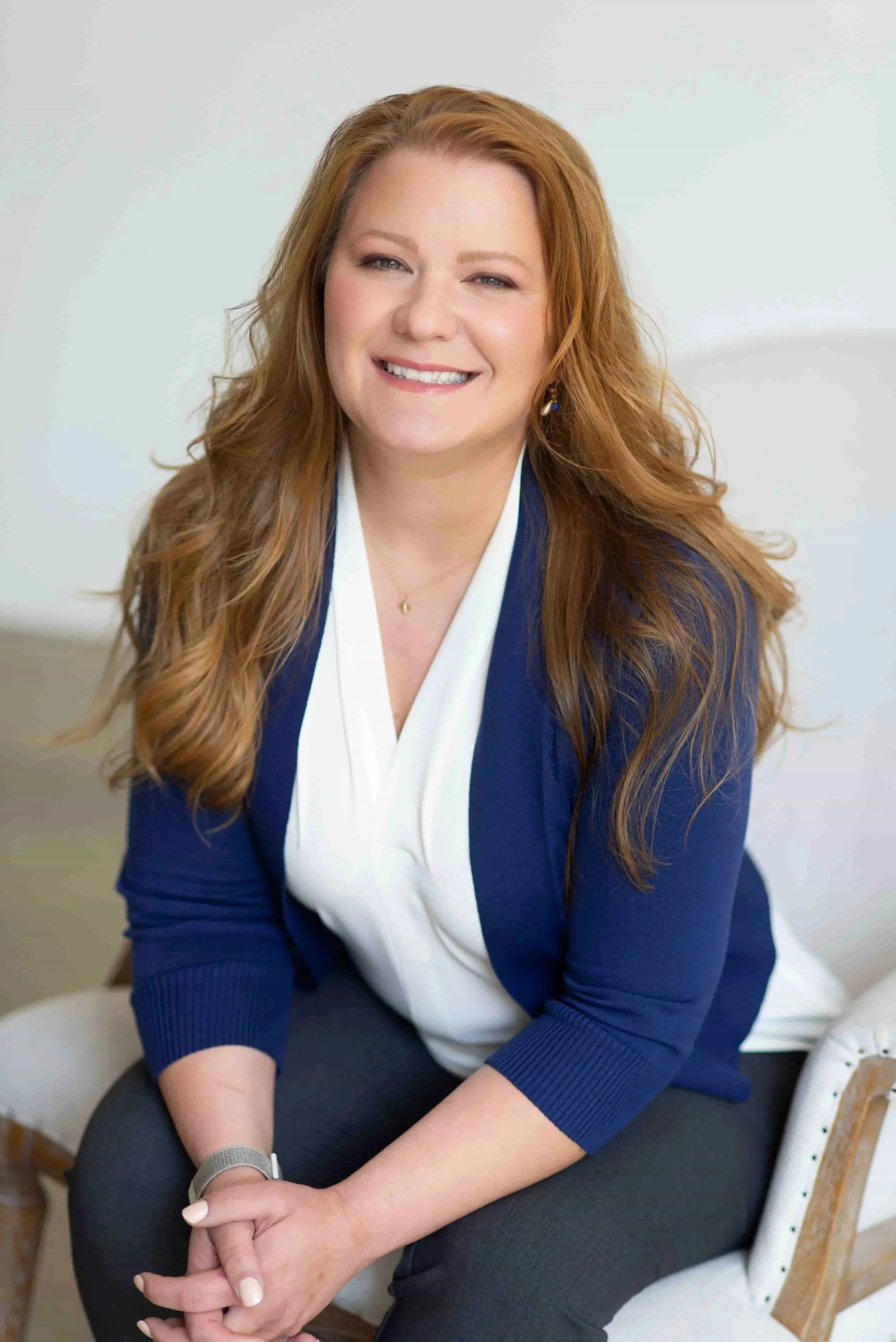
I'm Anna, the therapist behind Courage to Heal Therapy. For six years, I've helped adults heal from painful experiences that still echo in their lives today. I completed my training in Accelerated Resolution Therapy in 2022, and it quickly became one of my favorite ways to help clients find relief.
ART is one part of a larger toolbox. I'm also trained in EMDR and the Flash Technique, and I'm IFS-informed. That means I don't have to force you into one method. We can choose what fits you, your nervous system, and your goals.
I chose ART because of how fast it can bring relief. I've worked with clients who spent years in talk therapy, understanding exactly why they felt the way they did, and still felt stuck. With ART, I've watched those same people bring up a memory that used to flood them and pause, a little surprised, because it just doesn't land the same way anymore. That moment never gets old.
My practice is neurodiversity-affirming and LGBTQIA+ affirming. You're welcome here exactly as you are.
If you've been carrying something for a long time, I want you to know this: it doesn't have to stay this heavy. Your brain and body are capable of real change. Sometimes they just need the right kind of help to get there.

Frequently Asked Questions About ART
-
Both use eye movements to help the brain process hard memories. The main difference is structure. ART follows a more set path, and sessions often move faster. ART also uses something called Voluntary Image Replacement. That means you get to change how a painful scene plays out in your mind. The facts stay the same. What changes is how the memory feels when it comes up. Because I’m trained in both, we can talk about which one fits you best.
-
No. This surprises a lot of people. In ART, you can work through a memory without telling me the details. I’ll guide you through the process, and you can keep the story to yourself if you want. For many people, that makes it feel much safer to start.
-
It depends on what brings you in. Many people notice a shift within just a few sessions, and some feel relief after one. More complex trauma usually takes longer. ART doesn’t rush you. It just tends to get there faster than many other therapies.
-
Yes. I offer ART through telehealth anywhere in Colorado, as well as in person in Broomfield. Online, you’ll follow my hand movements on your screen. You’ll want a quiet, private space where you won’t be interrupted. Many clients find it helps to heal in a place where they already feel at home.
-
It’s often calmer than people expect. You’ll notice what comes up in your body as we go, and we’ll pause to check in often. Strong feelings can show up, but they tend to pass quickly. Most people leave feeling lighter, and some describe it as a weight being lifted.

You Don't Have to Figure This Out Alone
Reaching out can feel like a big step, especially if you’ve been carrying this for a long time. You don’t need to have the right words or know exactly what you need. You don’t even need to be sure ART is the answer. Let’s start with a free 20-minute consultation to talk about what’s bringing you in and whether ART feels like a good fit. You can ask questions, get a feel for how I work, and decide what comes next. No pressure, just a conversation.