
Do you have bipolar disorder? Maybe you just got the diagnosis. Or maybe you’ve known for years and you’re tired of riding the same waves.
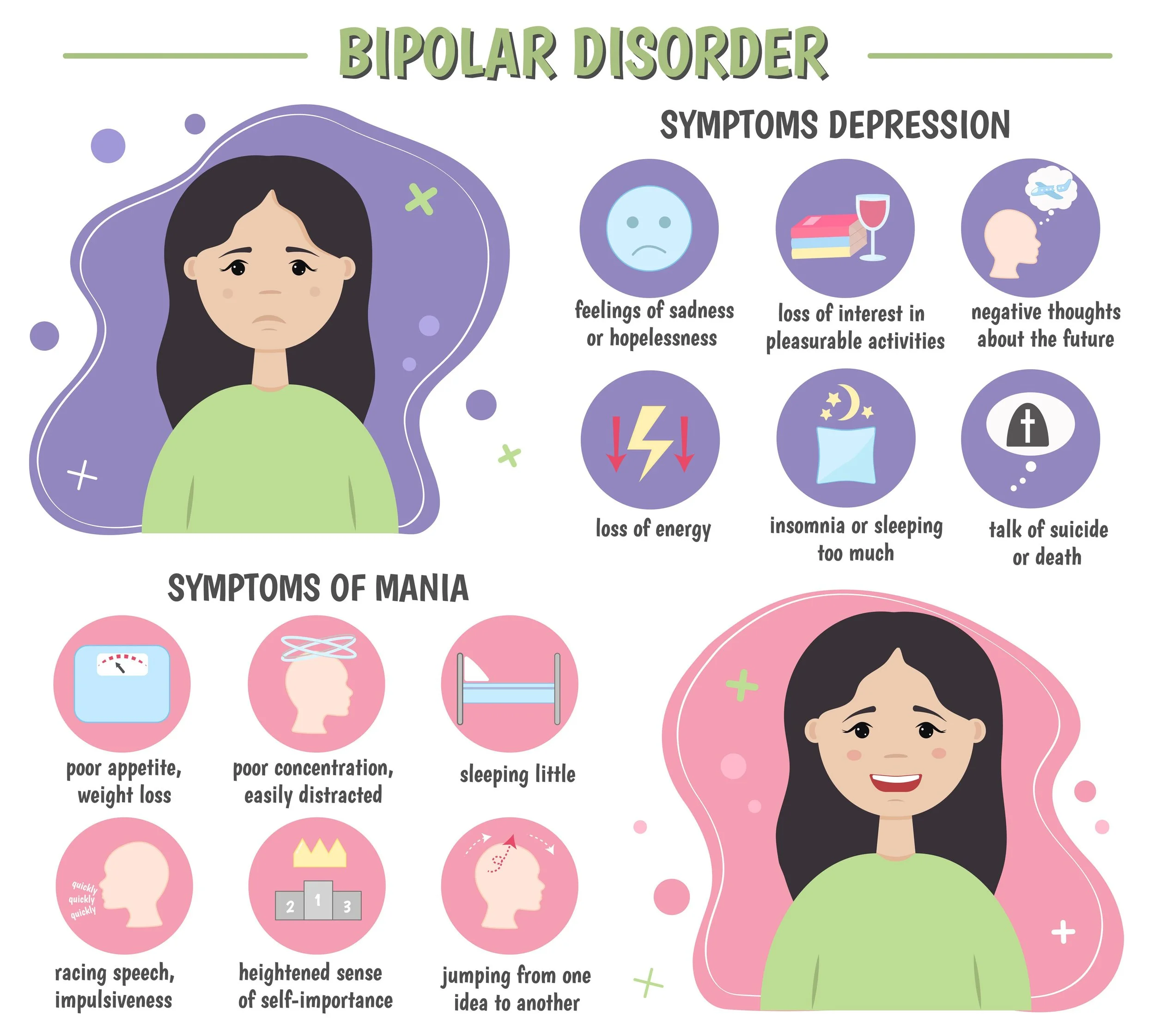
One week, you’re awake at 3 a.m. with a head full of big plans. The next, getting out of bed feels like climbing a mountain. And in between, you’re left cleaning up the mess. The texts you sent. The money you spent. The plans you canceled.
Every day may feel like a challenge. But that does not mean you need to suffer alone.
You didn’t ask for bipolar disorder, but you can always ask for help. Many people with bipolar disorder do better when they take medication for their symptoms. Still, medication works best with a partner. Therapy gives you things a pill can’t, like spotting warning signs early, keeping your routine steady, and repairing what mood episodes leave behind.
So what’s the best therapy for bipolar disorder? The honest answer is that there’s no single winner. The right fit depends on your symptoms, your history, and what you need most right now. Luckily, there are several proven options to choose from.
Let’s see what works best!
Table of Contents Show
What Are Best Therapies for Bipolar Disorder?
Cognitive Behavioral Therapy
Cognitive behavioral therapy (CBT) for bipolar is all about identifying negative thinking patterns and challenging them. For example, instead of thinking “Everyone is judging me all the time,” start looking for evidence that disputes this thought. Ask yourself, why are you thinking this? Has anyone said anything to you? Is there an alternative explanation here? How can you reframe this thought?
Your CBT therapist will guide you as you learn different techniques for combating unhelpful thinking. They will also teach you practical skills for climbing out of depression. Cognitive behavioral therapy is considered highly effective for depressive phases of bipolar, and it can keep you from acting out on impulse during manic phases.
By the end of your sessions, you may end up looking back at your original way of thinking with disbelief. CBT can give you a sense of greater control over your mind, which is empowering for people with bipolar who often feel surrounded by chaos. You and your therapist will work together to see that your life may be tough, but there are beautiful moments to focus on.
Interpersonal and Social Rhythm Therapy
Interpersonal and Social Rhythm Therapy (IPSRT) is a mouthful, but this therapy is considered quite effective for bipolar disorder. IPSRT works by improving the person’s biological and social rhythms. Research shows that disruptions in routine can cause mood episodes in people with bipolar, thus IPSRT encourages keeping a schedule to maintain a stable circadian rhythm.
IPSRT usually starts with therapist and client choosing an area where the client could improve in terms of social functioning and biological routine. Therapist then uses tracking, teaches skills, and instills confidence about client’s ability to handle disruptions in routine. IPSRT is usually used as a complementary treatment for another kind of therapy and is designed to be short-term.
Dialectical Behavioral Therapy
Dialectical Behavioral Therapy (DBT) is all about mindfulness, tolerating distress, emotional regulation, and improving relationship skills. Mindfulness skills will help you be more aware of your emotions, thoughts, and behaviors. You will stick with the present moment instead of focusing on the past or the future.
Those with bipolar disorder tend to use unhealthy methods of coping like drugs or alcohol. Distress tolerance skills will teach you about healthier ways to cope with your emotions such as distraction, exercising, journaling, etc. Emotional regulation will help you manage your emotions when you are going through a depressive or manic episode.
Finally, you will learn how to repair relationships damaged as a result of bipolar symptoms and how to prevent those mistakes from happening again. DBT is often done in groups, but it can also be taught in individual therapy where it is often combined with other approaches.

Group Therapy
Bipolar disorder symptoms can make it seem like you are alone in the world. Group therapy is here to prove you wrong! You and a whole bunch of other people with bipolar disorder can get together with a facilitator who manages the group.
Psychoeducation groups provide education about bipolar and its origins, symptoms, and treatment. They can be very helpful if you are newly diagnosed. Some groups teach you concrete skills to cope while others involve telling your stories and receiving support.
Group therapy can also be incredibly helpful for your loved ones who invest time and energy into helping you through your bipolar-related hardships. Ultimately, being a part of any supportive group can be beneficial to anyone’s mental health.
Family-Focused Therapy
While you are thinking you are the only one struggling with manic or depressive bipolar disorder episodes, your family is struggling with you. Family-focused therapy for bipolar disorder has been around since the 80s. Early sessions are all about education on your symptoms, recognizing the warning signs, and how to manage them as a family. Later sessions are about communication and problem-solving skills, especially about family issues.
You Don’t Have to Figure This Out Alone
There’s no one-size-fits-all answer when it comes to bipolar treatment. CBT can help you challenge the thoughts that drag you down. IPSRT can help you build a routine your brain can count on. DBT gives you skills to handle big emotions. And group therapy and family-focused therapy remind you that you’re not in this by yourself.
Many people use more than one of these approaches. That’s normal. Your treatment plan can grow and shift as your needs change.
Bipolar disorder can make life feel unpredictable. With the right support, it can also feel steadier and a lot more manageable.
If you’re ready to find the approach that fits you, I can help. I offer therapy for bipolar disorder in Broomfield, CO, and online throughout Colorado. Together, we’ll look at what’s been going on, what has helped before, and what hasn’t. Then we’ll build a plan that makes sense for your life.
Schedule a free 15-minute consultation to get started.